When we think of the Irish in Britain, it’s often the stories of Liverpool or Manchester that come to mind, but the influence of the Irish community runs deep into the mill towns and cities across Lancashire and the wider North West. Their journey from desperate refugees to cornerstone citizens is etched into the region’s industrial landscape, its cultural soul, and its social fabric. From the 19th-century slums to the vibrant social clubs of today, this is a story of resilience, community building, and a lasting legacy that continues to shape modern life in the North of England.
The Great Migration: The Famine and the Industrial Pull
The mid-19th century witnessed a profound demographic shift, as Ireland’s Great Famine (An Gorta Mór) forced over a million people to flee starvation and disease. For many, the closest refuge was the industrialising coast of North West England. This dual force of catastrophic push and economic pull set the stage for a permanent Irish imprint on Lancashire.
The Famine Exodus
Between 1845 and 1852, coffin ships laden with desperate passengers arrived in English ports. They brought people who had lost everything, often speaking only Irish, arriving with little more than the clothes they wore. This wasn’t a migration of opportunity but of survival, creating an immediate and severe humanitarian crisis on Britain’s doorstep.
Anchor Points: Liverpool’s Landing Stage
Liverpool was the primary gateway. By 1851, nearly 22% of the city’s population was Irish-born, a staggering concentration that made it one of the most Irish cities in the world outside of Ireland itself. Many moved on, but many stayed, forming dense, impoverished neighbourhoods that would become the foundation of the city’s enduring Irish character.
Mill Towns and Factory Floors
From the port, the search for work led inland along the canals and railways. The booming textile mills of Manchester, Bolton, Blackburn, and Wigan offered back-breaking but vital employment. In Manchester, the newly arrived crowded into squalid, cholera-ridden districts like the infamous ‘Little Ireland’ slum near the River Medlock, a symbol of the initial hardship faced by the displaced community.
Building Communities: From Chapels to Social Clubs
Amidst the hardship, the Irish began to build institutions that would foster identity, offer support, and create a sense of home. This move from survival to community building was pivotal in establishing a lasting presence.
Faith and Foundation: The Church’s Role
The Catholic Church became the first pillar of community life. It was more than a place of worship; it was a social centre, a provider of education through parish schools, and a defender of a minority faith in a sometimes-hostile environment. The construction of grand Irish-built churches, like St. Patrick’s in Manchester, stood as physical testaments to a growing, organised community.
The Social Club: Heart of the Community
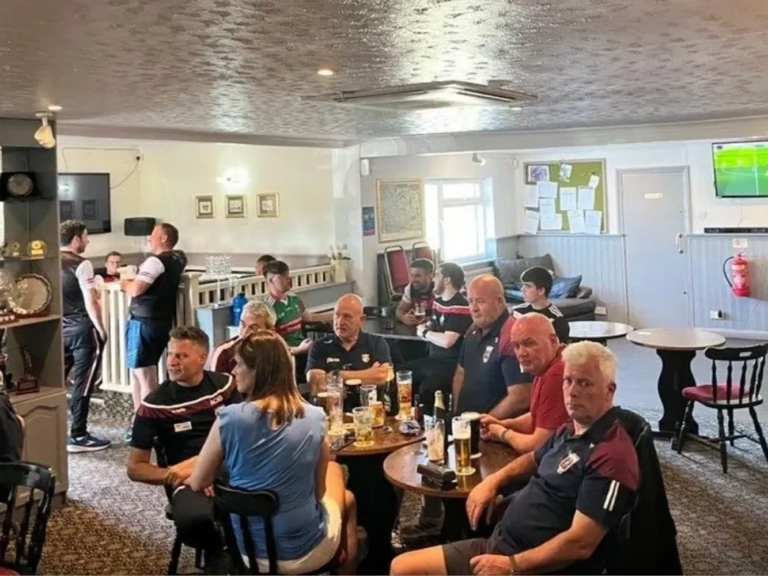
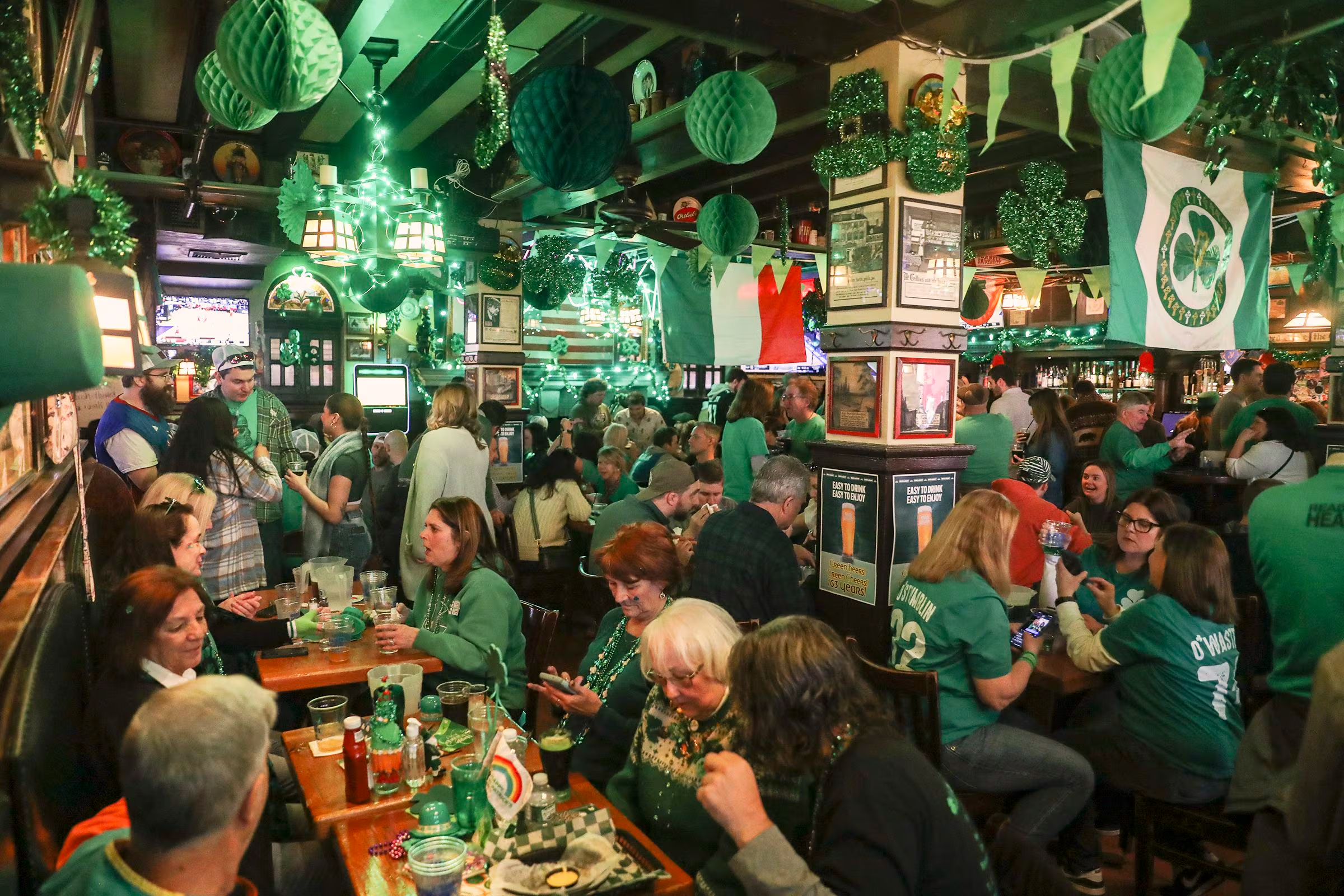
Parallel to the church, the secular social club and the Irish pub emerged as equally crucial hubs. These were spaces for solidarity, news from home, political organising, and simple camaraderie. This tradition thrives today in venues like the Brian Boru Irish Club in Wigan, a direct descendant of those early gathering places, offering a focal point for the local Irish community and those celebrating Irish culture.
Labour and Legacy: Shaping the Region’s Industry and Culture
The Irish contribution to the North West’s development was written in the sweat of its labour and the colour of its culture. They were integral to the region’s industrial might and its rich cultural tapestry.
Navvies, Miners, and Militancy
Irish labourers, or ‘navvies’, built the region’s railways, canals, and infrastructure. They worked in the textile mills, the Lancashire coal mines, and the docks. This shared experience of often-dangerous, low-paid work naturally fed into the growing trade union and workers’ rights movements, with Irish figures prominent in the fight for better conditions and political representation.
Music, Sport, and Cultural Imprint
The cultural influence is undeniable. Liverpool’s musical heritage, from its folk traditions to The Beatles (with members like Paul McCartney and George Harrison boasting Irish roots), is deeply infused with Irish melody and storytelling. In sport, countless football clubs in the region have been shaped by Irish players and supporters. Annual St. Patrick’s Day parades in cities like Manchester and Liverpool are major public celebrations of this enduring identity.
Modern Expressions: Irish Identity in the 21st Century
While rooted in history, the Irish community in the North West is not static. Its expressions of identity have evolved, blending tradition with contemporary leisure, often centred around the modern UK Irish social club.
The Social Club Today: Bingo and Craic
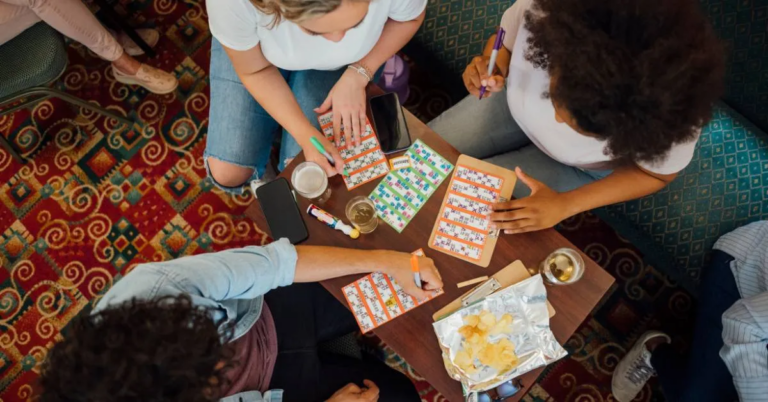
Today’s Irish clubs, from large city centres to local institutions in towns, remain vital community glue. Their calendars are packed with events that mix nostalgia and socialising. A quintessential example is the enduringly popular bingo night at the social club. These nights are less about high-stakes gambling and more about communal fun, conversation, and a shared laugh—the essential ‘craic’. This tradition is alive and well across Lancashire, offering a warm, familiar weekly ritual for members of all generations.
Celtic Themes in Modern Entertainment
The fascination with Celtic folklore and luck has also found a vibrant outlet in modern gaming. This is visible in two key areas:
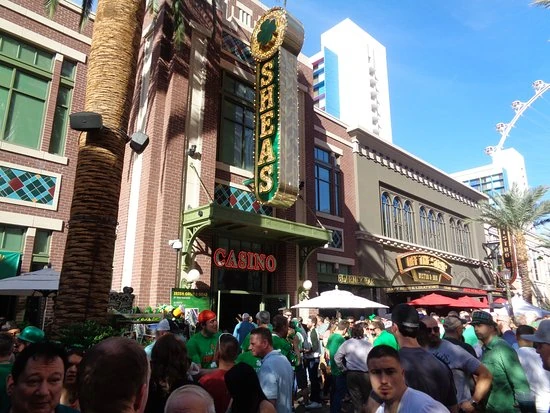
- Irish Themed Casinos UK: Many brick-and-mortar and online casinos catering to a UK audience feature games packed with Celtic iconography, recognising the popularity of the theme.
- Celtic Slot Games: Titles like the iconic ‘Rainbow Riches’ or ‘Leprechaun’s Luck’ dominate game floors in venues and online. Their shamrocks, pots of gold, and Irish soundtracks offer a playful, themed experience that resonates strongly with British players of Irish descent and beyond, connecting a modern pastime to a rich cultural aesthetic.
Famous Faces and Local Landmarks
The Irish legacy in the North West is personified by its famous sons and daughters and anchored by physical landmarks.
Notable figures with roots in the region’s Irish community include comedian Peter Kay (his mother is from County Mayo), actress Tina O’Brien, and a host of footballing legends like Wayne Rooney and Steven Gerrard, who have Irish heritage. Landmarks range from the historic Liverpool Irish Centre on Mount Pleasant to the more contemporary social clubs and gaming lounges. In many Northern clubs, you’ll find Celtic-themed gaming areas featuring those popular Celtic slot games, sitting comfortably alongside the bar and function room, symbolising the blend of old and new.
The story of the Irish in Lancashire and the North West is not a historical footnote but a living, evolving part of the region’s fabric. It is celebrated in the enduring warmth of the social club, the familiar call of a bingo number, the shared cheer for a local football team, and even the digital spin of a shamrock-adorned reel. From the famine ships to a pint and a game at the Brian Boru, the community has woven itself indelibly into the heart of the North, proving that culture, once planted with resilience, can flourish for generations.